
Learn how facial recognition at London’s Notting Hill Carnival in 2025 sparked a national debate on safety, bias, and civil liberties.
Introduction
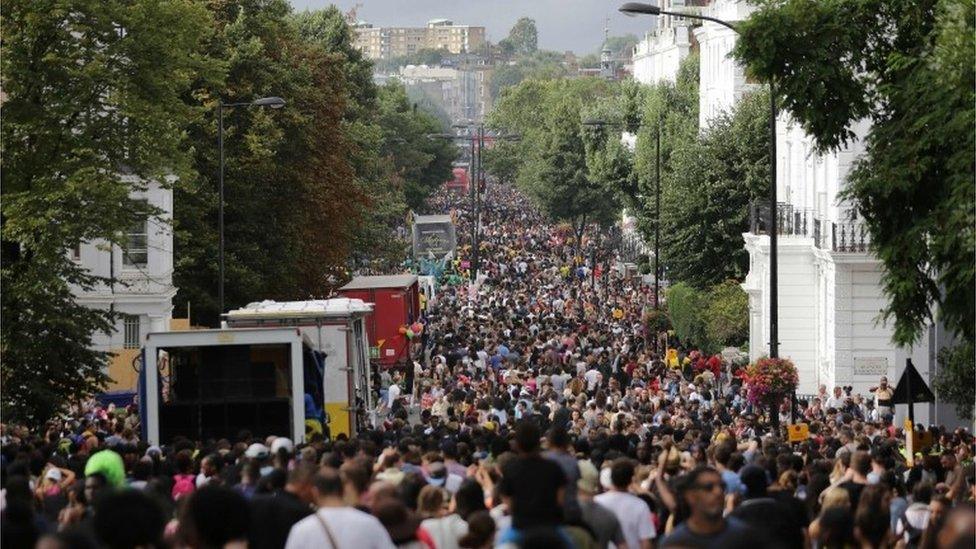
Every August, London’s Notting Hill Carnival transforms the city’s streets into a celebration of Caribbean culture, attracting over a million people. But in 2025, the festival made headlines for a different reason: the first large‑scale use of live facial recognition by the Metropolitan Police.
Supporters say it helps stop crime and keep crowds safe. Critics call it a threat to civil liberties. Let’s explore what really happened — and why it matters.
1. Why the Police Used Facial Recognition
In the months before the carnival:
-
The Met faced rising concerns about gang violence and knife crime.
-
After isolated incidents in 2024, pressure mounted to increase security.
-
Facial recognition promised a way to scan large crowds for known suspects in real time.
The system cross‑checked live video feeds against watchlists of people wanted for serious crimes.
2. How It Worked on the Ground
At key entry points:
-
Cameras scanned faces of people entering the festival.
-
Matches triggered alerts to nearby officers.
-
Police then decided whether to stop and question the individual.
Officials claimed the technology was tightly controlled, with watchlists limited to about 500 high‑risk suspects.
3. Supporters’ Arguments
Proponents highlight:
-
Potential to prevent stabbings and gang violence.
-
Reduced need for large stop‑and‑search operations.
-
Faster identification of lost children or vulnerable people.
Some festival‑goers reported feeling reassured by the visible security.
4. Privacy Campaigners Push Back
Civil liberties groups raised serious concerns:
-
Mass surveillance of over a million people, most of whom did nothing wrong.
-
Risks of false positives, especially for ethnic minorities.
-
Fear it could normalize live surveillance at all large events.
Groups like Big Brother Watch demanded full transparency and an independent audit.
5. Accuracy and Bias Concerns
Studies show facial recognition can be:
-
Less accurate for women and darker‑skinned individuals.
-
Prone to error in crowded, fast‑moving environments.
-
Vulnerable to poor lighting or camera angles.
The Met insists its chosen system passed bias testing — but critics remain skeptical.
6. Public Reaction
Polls after the carnival found:
-
Roughly 60% supported using the technology to stop violent crime.
-
Younger people (18‑34) were more likely to oppose it.
-
Many respondents said they didn’t fully understand how the system worked.
The debate highlighted gaps in public knowledge about AI and policing.
7. Legal and Ethical Challenges
The UK lacks a dedicated law for facial recognition:
-
Current use relies on general police powers.
-
Privacy watchdogs call for clearer legal safeguards.
-
Courts have previously criticized the lack of oversight.
A new draft Biometrics Bill is under review in Parliament.
8. Was It Effective?
The Met reported:
-
28 arrests linked to live facial recognition alerts.
-
A drop in reported knife incidents compared to 2024.
-
Few formal complaints filed by the public during the event.
Critics argue the data set is too small to prove success.
9. The Broader Trend in 2025
UK police aren’t alone:
-
Cities like Paris and Rome test similar systems at large events.
-
Some US cities restrict or ban police use of facial recognition.
-
Debates intensify as AI surveillance tools become cheaper and more powerful.
10. What Comes Next?
The carnival case may set a precedent:
-
Clearer rules on when police can use facial recognition.
-
Stronger oversight to protect against misuse.
-
Ongoing tension between public safety and privacy rights.
Tech is evolving fast — but democratic debate is just beginning.
Final Thoughts
Facial recognition at Notting Hill Carnival in 2025 wasn’t just a question of technology — it forced the UK to ask how far society should go in trading privacy for security. Whatever side you’re on, the conversation isn’t going away.