


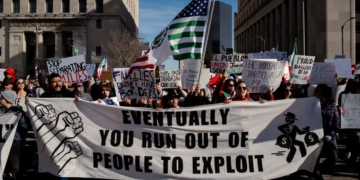
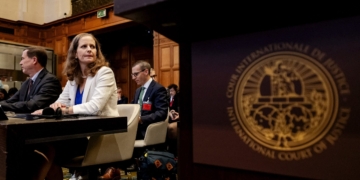
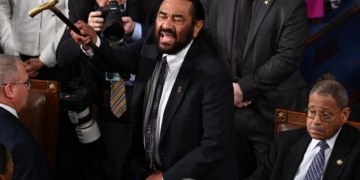







While the world’s focus drifts toward Ukraine, China, and economic turmoil, humanitarian crises in Sudan and Gaza continue to claim lives beyond the media spotlight. The fading coverage, noted by breaking news monitors, belies the deep ways these conflicts shape the us) administration’s choices—and reveal the tension between values and power in American foreign policy.
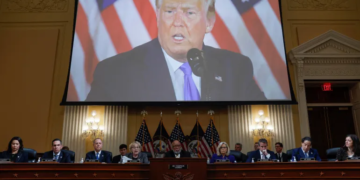
Former President donaldtrump)’s legacy of transactional diplomacy still echoes through these crisis zones.
The Forgotten Frontlines
In Sudan:
Civil war, ethnic violence, and famine threaten millions
Peace talks stall amid rival generals’ power struggle
Aid agencies report record hunger and displacement
In Gaza:
Years of blockade and sporadic bombardment keep rebuilding impossible
Health systems collapse under shortages and repeated strikes
Generations grow up in trauma, fueling cycles of extremism
Why Coverage Fades
Analysts cite:
“Crisis fatigue” as global audiences tire of long-running conflicts
Media chasing fresher, fast-moving stories in Europe and Asia
Lack of political breakthrough, making daily coverage seem repetitive
Yet behind the scenes, policymakers watch closely.
Strategic Consequences
These crises affect:
U.S. credibility when it champions human rights elsewhere
Stability in regions tied to global trade and migration routes
Relationships with allies like Egypt, Israel, Gulf states, and African Union partners
Neglect carries risks beyond headlines.
Trump’s Legacy
Trump-era policies:
Cut funding to key UN relief agencies
Prioritized quick diplomatic wins over long-term humanitarian strategies
Strengthened ties with actors accused of rights abuses
Critics say this weakened U.S. leverage in places like Sudan and Gaza.
Biden and Beyond
Current U.S. efforts include:
Quiet diplomacy to support fragile ceasefires
Limited aid packages avoiding direct engagement with armed groups
Balancing human rights rhetoric with security cooperation in the Middle East
Advocates argue a bolder approach is needed.
The Human Toll
Over 25 million people across Sudan and Gaza need humanitarian assistance
Hospitals run on dwindling supplies
Education systems risk collapse, threatening future generations
NGOs call these among the world’s most urgent, yet underfunded, emergencies.
Voters and Values
Domestic polls show:
Americans care about human rights—but rank them below economic issues
Foreign aid remains politically divisive
High-profile crises move public opinion more than chronic ones
This shapes what politicians prioritize.
Global Perception
Observers note:
U.S. focus on Europe and Asia fuels resentment in Africa and the Arab world
Rivals like China and Russia expand influence via infrastructure and trade
Humanitarian groups worry about “donor fatigue” leaving millions behind
Soft power depends on consistency, not just spotlight moments.
Final Thought
Sudan and Gaza may have slipped from daily news) alerts.
But the choices Washington makes—or avoids—there will echo across diplomacy, security, and America’s image in a deeply interconnected world.