
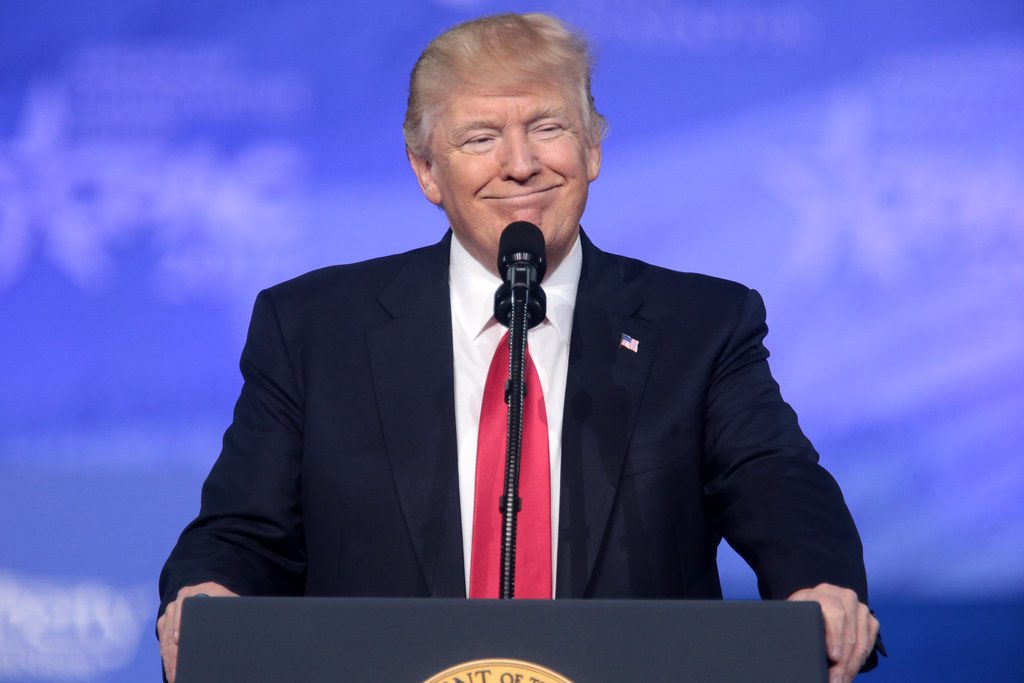
Project 2025 is an ambitious and comprehensive policy plan, developed by former Trump administration officials in collaboration with the Heritage Foundation, that aims to radically restructure the US federal government. The core of this plan is to dismantle the existing bureaucracy and concentrate unprecedented powers in the hands of the president, while preparing to appoint loyalists to independent and pivotal federal agencies such as the Department of Justice and the FBI.
The changes don’t stop there; the plan includes replacing tens of thousands of disloyal government employees across multiple sectors, shrinking the role of the Department of Education, and radically changing the health care and Social Security systems.
It also aims to impose strict restrictions on abortion and the deportation of illegal immigrants, as well as broad subsidies for the production and use of fossil fuels, and a retreat from America’s commitments to environmental protection.
Let’s explore the features of this comprehensive plan, which could forever change the face of America as we know it.
Details of the 2025 Plan to Strengthen Presidential Power and Concentrate Authority
Below are details of Trump’s plan to reshape America in a way that may please some and anger many, but ultimately, the final results will determine the feasibility of this plan.
Unitary Executive Theory:
The project is based on this theory, which states that the president has near-absolute executive power, and that other branches, whether legislative or judicial, should not impede this power. This can be achieved through the following:
- Undermining Checks and Balances: The project aims to weaken the traditional system of checks and balances in the US government, giving the president greater authority to make decisions and implement policies without the need for approval or oversight from Congress or independent bodies.
- Changing the Role of Congress: The project seeks to reduce Congress’s oversight role over how federal funds are spent and policy formulation.
- Restructuring the Government (Civil Service and Loyalty-Based Appointments): Schedule F: This schedule is one of the most prominent features of the plan. The bill aims to reclassify tens of thousands of federal civil servants, who are typically appointed based on merit rather than political loyalty, into a new category that would make it easier for the president to fire them. The goal is to replace them with political loyalists of the new administration, ensuring that the presidential agenda is implemented without internal opposition.
- Control over independent agencies: The bill aims to subject key agencies, such as the Department of Justice and the Federal Bureau of Investigation (FBI), to the direct political control of the president, raising concerns about the independence of these institutions and their ability to operate free from political influence.
- Dismantling or downsizing agencies: The bill includes proposals to dismantle or downsize certain federal agencies, including the Department of Homeland Security and the Department of Education.
Reducing the role of the Department of Education:
The bill aims to reduce the role of the federal Department of Education, or even abolish it, transferring its powers and resources to states or local communities.
This includes reducing funding for public schools and redirecting taxpayer funds toward private religious schools.
It also proposes eliminating programs such as Head Start, which provides educational and health services to disadvantaged children.
Changes to the Medicare and Social Security System:
- Medicare: The plan includes proposals to change the health care system, such as making Medicare Advantage the default option, which could lead to the privatization of traditional medical care.
- Social Security: The proposals aim to make changes that could impact Americans’ retirement benefits and health care.
- Healthcare in general: Other changes could include reducing support for women’s health services, including birth control services.
Restrictions on abortion:
- The Comstock Act: The bill seeks to revive this 19th-century law, which prohibits sending any abortion-related drugs or materials through the U.S. mail, potentially leading to a nationwide abortion ban.
- Revoking FDA approval of “mifepristone“: The bill aims to revoke FDA approval of “mifepristone”, a drug used in more than half of all abortions in the United States.
- Pregnancy monitoring and abortion prosecution: The plan would direct the government to monitor all pregnancies and prosecute those who perform illegal abortions.
Mass Deportation:
The bill calls for the largest deportation program in U.S. history, targeting immigrant communities through large-scale deportation campaigns.
- End Birthright Citizenship: The bill seeks to end the right to citizenship for children born in the U.S. to non-U.S. citizens.
- Dismantle the Asylum System: The bill aims to dismantle the current U.S. asylum system.
- Increasing Detention Resources: Significantly increasing resources for detaining immigrants and making it easier to detain them anywhere in the country.
Supporting Fossil Fuel Production and Use and Reducing Environmental Protections:
- Repealing Environmental Regulations: The bill seeks to repeal many environmental regulations aimed at combating climate change and protecting the environment, benefiting the fossil fuel industries.
- Reversing Climate Initiatives: This includes repealing initiatives that incorporate climate change considerations into housing decisions and the financial system.
- Privatizing Weather Services: The bill proposes to privatize the National Weather Service, potentially forcing Americans to pay for life-saving weather data and alerts.
American Public Reactions to the 2025 Bill: Supporters and Opponents
The 2025 Bill is generating widespread and diverse reactions in the United States. Supporters view it as a necessary reform of government, while opponents fear for democracy and freedoms. The following are the most prominent of these reactions:


Opposition Reactions and Severe Criticisms
Here are the main arguments used by opponents of this bill:
Threat to Democracy and the Principle of Separation of Powers:
This is the most prominent criticism. Many legal experts, Democratic politicians, and liberal organizations believe that the bill seriously undermines the principle of separation of powers in the US Constitution and threatens the independence of institutions such as the judiciary and federal agencies. They describe it as an attempt to shift toward an authoritarian, “imperial” presidential rule.
Misdiagnosis of Problems and Extreme Solutions:
Critics believe that the bill misdiagnoses the real problems in government and offers extreme and unconstitutional solutions that will exacerbate problems rather than solve them. For example, some believe that attempting to abolish the merit-based civil service system will politicize the government and weaken its efficiency.
Undermining fundamental freedoms:
Proposals related to abortion, LGBTQ+ rights, and immigration raise serious concerns about the erosion of individual liberties and civil rights. They see the bill as imposing a far-right agenda that violates the will of the people.
Politicizing the security and judicial apparatuses:
The bill’s attempt to directly control the Department of Justice and the FBI raises deep concerns about the politicization and use of law enforcement for political purposes.
Changing the face of America:
Opponents believe that the bill’s implementation will forever change the face of America as they know it, leading to significant social and economic decline. Former Democratic President Joe Biden’s campaign used the bill to scare voters about Trump’s return to the White House, describing it as “a playbook for politicians and extremist figures for a second Trump term, which should greatly frighten the American people.”
Concerns about lack of accountability:
Critics point out that the bill reduces accountability mechanisms for government agencies, potentially leading to more waste and corruption.
Supporters of the bill
Proponents, particularly conservatives and the Heritage Foundation, see the bill as necessary to reform the “administrative state,” which they see as a massive, unaccountable bureaucracy that hinders the country’s progress. Therefore, it is natural to make decisions that would:
Empower the president-elect:
Proponents emphasize the need to enable the president-elect to implement his agenda without resistance from civil servants who may not agree with his political vision. They see this as restoring “self-government to the American people.”
Implementing the conservative agenda:
Conservatives support the bill because it represents a roadmap for implementing their core policies in areas such as immigration, family issues, energy, and reducing government spending.
Combating the “radical left”:
Some see the bill as a necessary response to what they see as the “radical left’s” control of state institutions and society. Securing the Border and Defending Sovereignty:
Some support for the bill comes from those who believe it will help secure the border more effectively and defend American sovereignty.
Donald Trump’s Position:
Donald Trump has at times publicly distanced himself from the 2025 Project, stating he “knows nothing” about it, or opposing some of its proposals, calling some “ridiculous and very unfortunate.”
However, many of his close advisors and former administration officials were closely involved in the bill’s development, and Trump has publicly endorsed several of its key proposals, such as granting himself the authority to increase the number of political appointees and abolishing the Department of Education.
Some analysts believe that Trump’s partial distancing from the bill may be an attempt to adjust his message and appeal to a broader audience before the election.
Note:
The 2025 Project is a controversial and contentious topic in the United States, reflecting deeply divergent views on the future of governance and democracy in America, and exacerbating polarization and political and social divisions.
Also read:
- should-you-buy-bitcoin-now-or-is-it-too-late-in-2025
- the-age-of-ai-agents
- a-leak-reveals-the-iphone-17s-battery-capacity-predicting-radical-changes