











The rapid spread of AI-driven military agencies in the us) and rival powers has ignited urgent debate among experts, diplomats, and ethicists worldwide. Stories flooding breaking news feeds warn these “digital armies” could redefine warfare—while raising the risk of uncontrolled escalation.
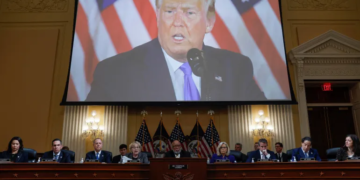
Former President donaldtrump) championed a new U.S. Defense AI Directorate, pushing the idea that algorithms—not just soldiers—should dominate future battlefields.
What Are Military AI Agencies?
These agencies focus on:
Developing autonomous drones and cyber tools
Using AI to analyze satellite, social media, and battlefield data in real time
Coordinating defense systems to react faster than human commanders
Supporters say this improves deterrence and saves lives. Critics warn it risks catastrophic mistakes.
Global AI Arms Race
China, Russia, and EU states are all investing heavily in military AI:
Beijing’s “DragonMind” project reportedly links surveillance, missile targeting, and propaganda
Russia’s “Iron Logic” aims to predict NATO movements
European agencies debate ethical guidelines while still expanding budgets
The race raises fears no side wants to be the first to pause.
Risks and Warnings
AI brings unique dangers:
“Black box” decisions humans may not fully understand
Faster escalation cycles if autonomous systems misread signals
Cyber vulnerabilities that could hijack or spoof AI tools
Security analysts say even small coding errors could have strategic consequences.
Trump’s Doctrine: Speed and Dominance
Trump-era strategy papers argued:
AI is essential to keep the U.S. ahead of China and Russia
Bureaucracy must be cut to deploy systems quickly
Ethical debates shouldn’t slow development
Critics argue this sacrifices caution for political gain.
Ethical Debate
Should algorithms be allowed to select targets without human sign-off?
How to ensure AI follows international law?
Who is accountable if an AI-controlled drone makes a fatal mistake?
Human rights groups call for global treaties to limit autonomous weapons.
Tech Industry Split
Some U.S. tech firms:
Pledge not to work on lethal autonomous weapons
Warn AI could be abused for mass surveillance and repression
Others quietly win Pentagon contracts, seeing defense as a growth sector.
Public Awareness Low
Polls show many Americans remain unaware of:
The scale of AI militarization
The risk of AI-led conflicts escalating faster than humans can intervene
Advocacy groups push for congressional hearings and transparency.
The Bigger Picture
AI isn’t just about gadgets—it shifts global power:
Nations with the best data and algorithms may dominate diplomacy and war
Smaller states risk losing sovereignty in an AI-driven world
Accountability gaps threaten democratic oversight
Whether AI makes wars less bloody—or more unpredictable—remains unclear.
Final Thought
Military AI once sounded like science fiction.
Today, it’s policy—and it could redraw the world) faster than we’re ready for.